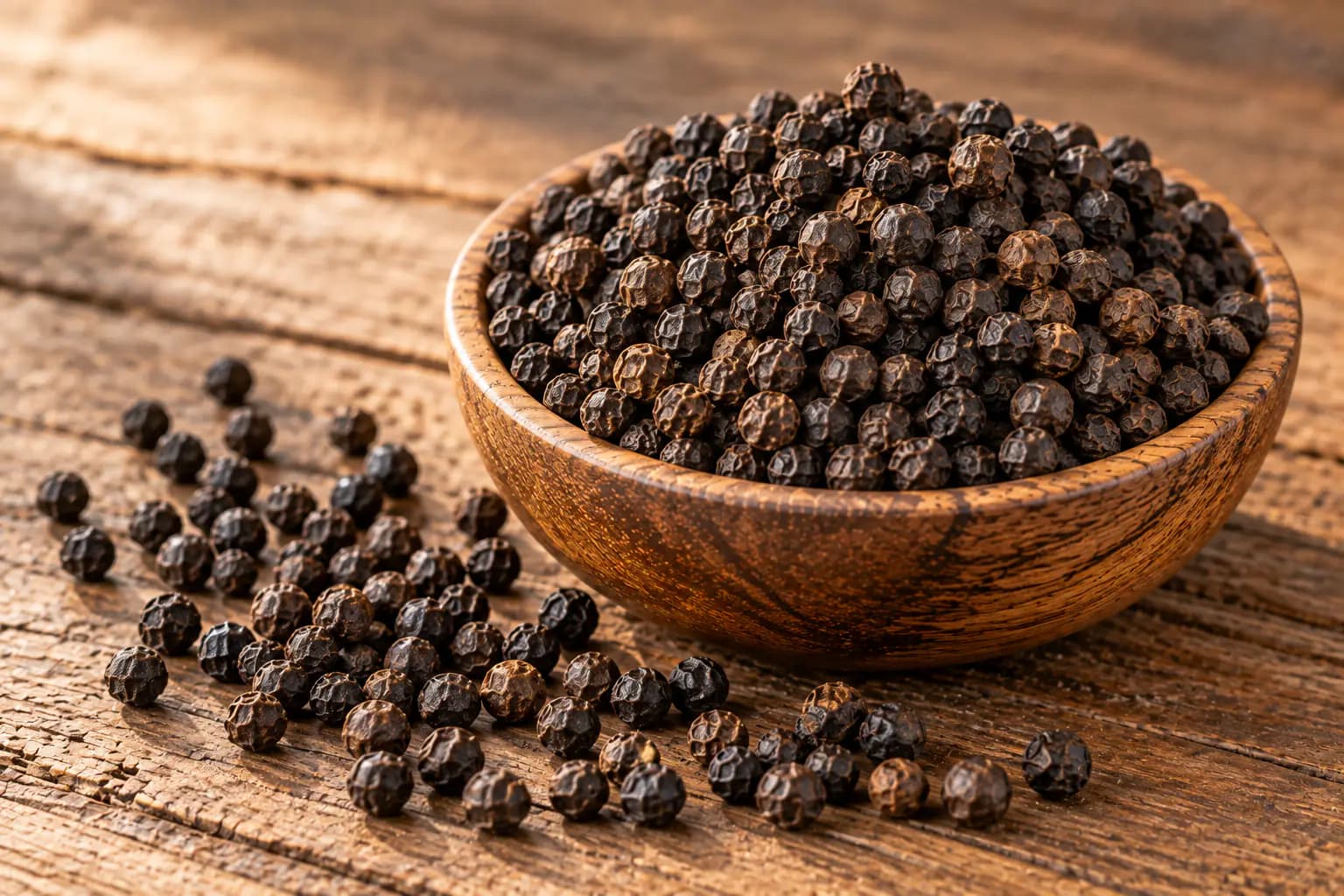
In our October update, garbled black pepper was trading at about ₹740 per kg in Kochi. Less than a month later, the market has gone further: on 13 November 2026, prices at the Kochi terminal market touched ₹760 per kg, the highest level the trade has recorded.
For importers, this means higher offers and tighter supply until the next Indian harvest. This update explains where black pepper prices stand, why they are rising and what you can do to plan your next order.
Short answer: black pepper reached ₹760 per kg at the Kochi terminal market on 13 November 2026, depending on grade, according to the India Pepper and Spice Trade Association. A third lean harvest, strong winter demand from North India and exporters, and thin farm arrivals are pushing prices up, and traders expect ₹800 per kg in the coming weeks. The next harvest in the Wayanad–Nilgiris–Coorg belt is more than two months away, so book early and agree the grade in writing.
Where black pepper prices stand now
According to Onmanorama, Kishore Shamji, Director of the India Pepper and Spice Trade Association (IPSTA), said this is the first time pepper prices have crossed ₹750 per kg. Prices of both garbled and ungarbled pepper first crossed ₹700 per kg earlier this year, and by the end of October they had broken the previous record of ₹750 per kg.
| Indicator | Latest reading | What it tells you |
|---|---|---|
| Kochi terminal market, 13 November 2026 | Up to ₹760 per kg, depending on grade | New record high |
| Kochi garbled, 21 October 2026 | About ₹740 per kg | Prices rose further in under a month |
| Farm gate, Wayanad and Nilgiris, early November | About ₹750 per kg | Farm prices close to terminal prices |
| Earlier peak, 2014 | About ₹720 per kg, briefly | Previous high quoted by IPSTA |
| Trader outlook | About ₹800 per kg in the coming weeks | More upside expected |
| Next harvest, Wayanad–Nilgiris–Coorg | More than two months away | Supply stays tight through winter |
Prices change every day and depend on grade, density and origin. Always ask for a current quote.
Why black pepper prices are rising
The main reason is supply. India is heading for its third lean pepper harvest in a row, and most small and medium farmers sold their crop soon after the last harvest. As a result, arrivals in rural markets are thin even at record prices, and only a few planters are holding stock in the hope of a further rise.
At the same time, demand is strong. North Indian stockists, exporters and large spice companies are buying ahead of winter, when pepper use rises in food, masala blends and traditional remedies. Traders who must supply masala makers before the winter season are competing for the little pepper on offer.
Imports and quality: what to watch
The high domestic price is drawing in imports. IPSTA warned that large imports from Sri Lanka could affect the market, and some large companies have already signed import contracts to cover the shortage. Traders also allege that cheaper pepper imported for re-export is being diverted into the domestic market.
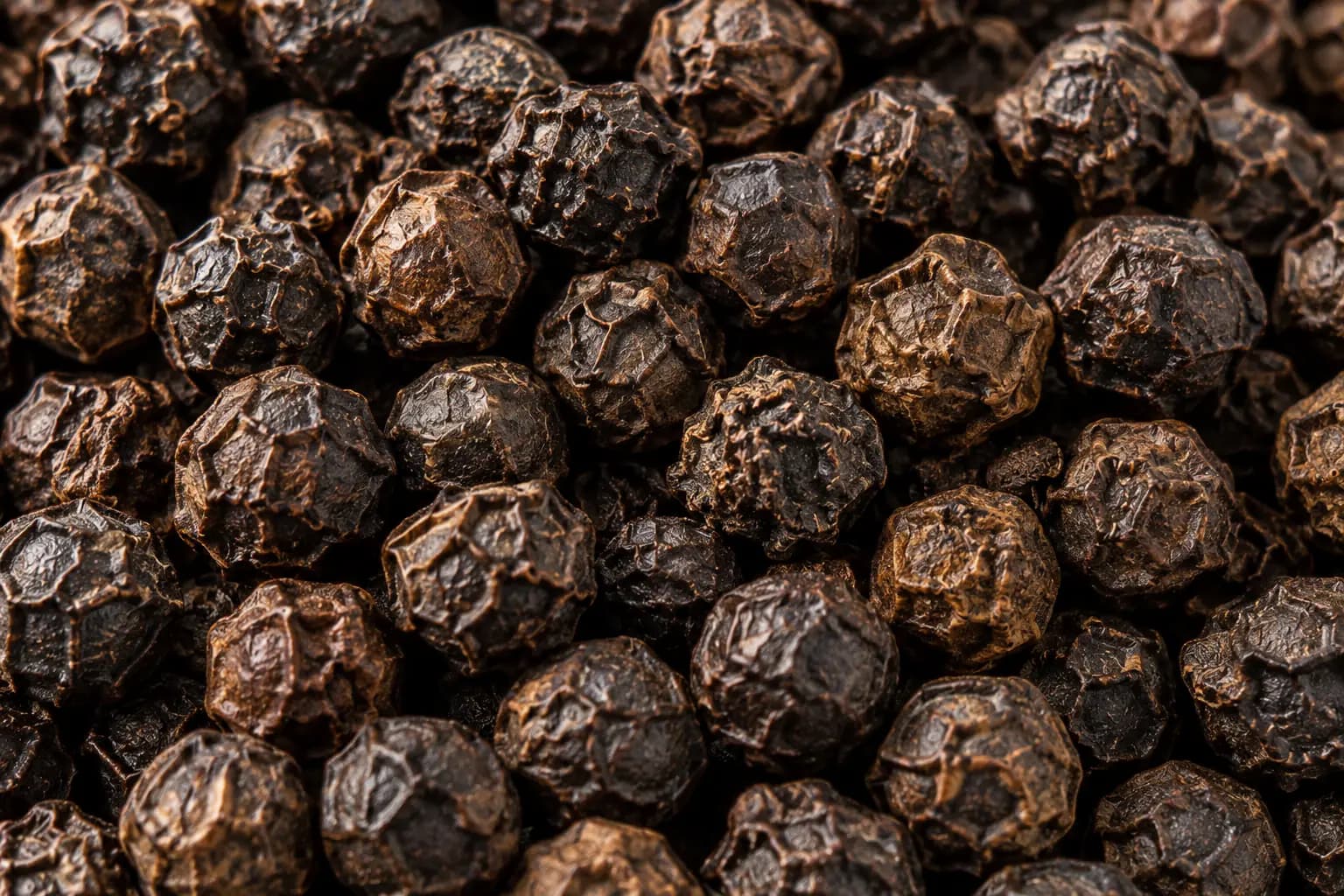
For buyers, this makes quality checks more important than ever. Ask for the origin in writing and check bulk density, moisture and aroma, so you know exactly what you are paying for.
| What buyers check | Why it matters |
|---|---|
| Bulk density (g/l, for example 500, 550, 570) | Higher density means bolder, heavier berries |
| Garbled or ungarbled (FAQ) | Garbled pepper is cleaned and graded, ungarbled is not |
| Moisture | Well-dried pepper stores better and resists mould |
| Light berries and extraneous matter | Fewer light berries mean better value |
| Origin | Indian pepper is valued for its strong aroma and pungency |
| Pesticide residues | Must meet the limits of your destination market |
What importers should do now
- Book early. With the next harvest more than two months away and traders expecting ₹800 per kg, waiting may cost more.
- Buy in stages. Split your requirement into smaller lots to average your cost in a rising market.
- Fix the grade in writing. Agree the bulk density, moisture, light berry limit and origin before you compare prices.
- Ask for a lab report. Request a recent test for pesticide residues and microbiology that matches the rules of your market.
- Order samples. Check aroma and appearance yourself before you confirm a bulk order.
Buy black pepper from India with Weorex Spices
We supply whole black pepper from Indian growing regions, graded by bulk density and packed for export with full documents. Create a free buyer account to request a quote for your exact grade, quantity and port, or request a sample before you order. You can also browse the full range of spices or talk to our export team.
Frequently asked questions
What is the black pepper price today in India?
On 13 November 2026, black pepper touched ₹760 per kg at the Kochi terminal market, depending on grade. Farm gate prices in Wayanad and the Nilgiris were about ₹750 per kg in early November. Prices change daily, so ask for a current export quote.
Why are black pepper prices so high in November 2026?
India faces a third lean harvest in a row, most farmers have already sold their crop, and demand from North Indian stockists, exporters and spice companies is strong ahead of winter. Thin supply and strong demand have pushed prices to a record.
Will black pepper prices keep rising?
Traders expect prices to touch ₹800 per kg in the coming weeks. However, imports from Sri Lanka and other origins could slow the rise, and prices usually ease once the new harvest arrives.
When is the next black pepper harvest in India?
The next harvest in the Wayanad, Nilgiris and Coorg growing belt is more than two months away, according to traders in mid-November 2026.
Comments
Be the first to comment.
Leave a comment